What to Expect on Your First Fishing Trip
Your first fishing trip is an exciting milestone. Whether you’re heading to a quiet pond, a nearby lake, or a local pier, fishing offers a calm, refreshing break from the rush of daily life. But if you’ve never been fishing before, you might feel unsure about what actually happens on a fishing trip — what to pack, how the day unfolds, what challenges to expect, and how to prepare.
BEGINNER GUIDES
Dr Shamim
12/5/20254 min read
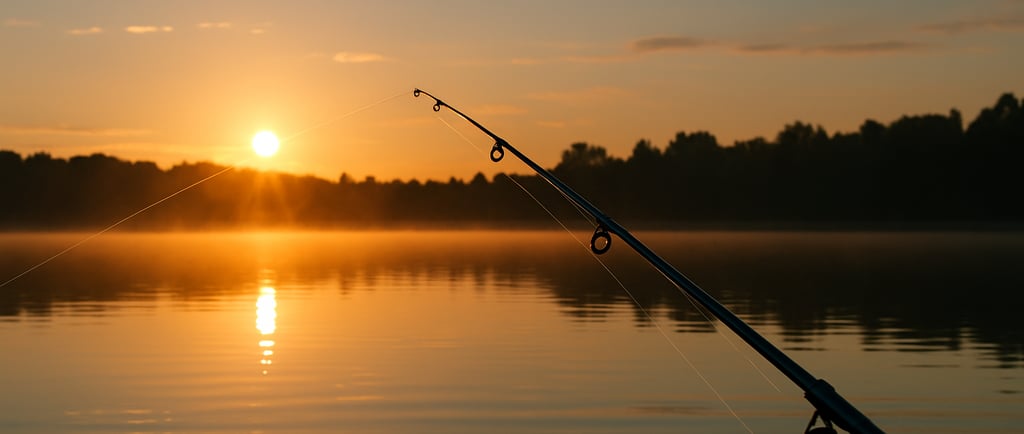
Your first fishing trip is an exciting milestone. Whether you’re heading to a quiet pond, a nearby lake, or a local pier, fishing offers a calm, refreshing break from the rush of daily life. But if you’ve never been fishing before, you might feel unsure about what actually happens on a fishing trip — what to pack, how the day unfolds, what challenges to expect, and how to prepare.
This complete guide walks you through the entire experience step-by-step so you can enjoy your first fishing adventure with confidence. From prepping the night before to casting your first line and landing your first fish, you’ll learn exactly what to expect and how to make your trip smooth, fun, and successful.
🧭 1. Before You Go: Preparing for Your First Trip
Most of your success on your first fishing trip actually depends on what you do before you leave home. Good preparation prevents frustration later.
✔️ Get a Fishing License
Every U.S. state requires a fishing license for adults.
Don’t skip this step — fishing without a license can lead to fines.
You can purchase it online from your state’s fish and wildlife department.
Prices are affordable, and buying a license also supports conservation and fish-stocking programs.
✔️ Choose a Beginner-Friendly Location
Pick a spot that is known for easy access and plentiful fish:
Community ponds
Small lakes
Public fishing piers
Slow-moving rivers
State parks
Avoid deep rocky shorelines or fast rivers — they are harder for beginners.
Tip: Search “fishing near me” + “public access” for safe beginner areas.
✔️ Check the Weather
Weather affects fish behavior, your comfort, and safety.
Best fishing weather:
Cloudy days
Mild temperatures
Slight breeze
Early morning or late afternoon
Avoid:
Thunderstorms
Strong winds
Extreme heat
Fishing in poor weather is uncomfortable and decreases your chances of catching fish.
✔️ Pack the Essentials
Here’s your first-timer checklist:
🎣 Fishing Gear
Rod and spinning reel
6–10 lb monofilament line
Hook assortment
Bobbers/floats
Split-shot weights
Pliers
Scissors or line cutter
Tackle box
A simple ready-made bait like worms
👕 Comfort Items
Hat
Sunglasses
Sunscreen
Bug spray
Water & snacks
Folding chair
Hand towel
Small first-aid kit
Don’t overpack — bring only what you need.
🚗 2. Arriving at the Fishing Spot
When you reach your fishing location, things may feel unfamiliar — but you’ll adjust quickly.
Here’s what to expect.
✔️ Finding a Good Spot Along the Shore
Beginners should look for:
Shade if possible
Calm water
Areas near vegetation
Docks, piers, or points
Spots with easy casting room
Avoid crowded areas and steep banks.
✔️ Setting Up Your Gear
This takes 5–10 minutes:
1. Assemble the rod (if 2-piece).
2. Check the reel’s drag — slightly tight, not locked.
3. Thread your line through the rod guides.
4. Tie your hook using a simple knot (Clinch or Palomar).
5. Add a small bobber and a split shot weight.
6. Put bait on your hook.
It might feel awkward at first — that’s normal!
After a few trips, this becomes muscle memory.
🎣 3. Your First Cast
Casting is the moment new anglers get excited or nervous.
Expect your first few casts to feel unnatural.
Your line might go sideways, too short, or get tangled occasionally.
Here’s the simple beginner method:
1. Open the bail.
2. Hold the line against the rod with your index finger.
3. Pull back the rod slightly.
4. Swing forward smoothly.
5. Release your finger as your rod points forward.
6. Close the bail manually before reeling.
If it feels awkward, that's perfectly normal — everyone struggles the first few times.
🐟 4. Waiting for a Bite
This is the peaceful part of fishing.
Most first-time anglers assume bites happen instantly. Sometimes they do — but usually you’ll wait.
Expect:
Birds chirping
Water movement
Light breeze
A relaxing, calm environment
Keep your eyes on your bobber.
If it dips under, moves sideways, or twitches — a fish is interested.
You’ll feel small taps occasionally.
Not every nibble means a catch, and that’s okay. Fish often test the bait first.
🎣 5. Hooking and Reeling In Your First Fish
When the bobber disappears underwater or pulls strongly sideways, gently lift the rod tip to set the hook.
Your first catch may:
Wiggle
Pull lightly
Pull quickly
Feel surprisingly strong
Stay calm, keep slight tension on the line, and reel slowly.
Beginners often reel too fast — steady pressure is better.
Your adrenaline will spike — enjoy it!
🙌 6. Handling the Fish
Once the fish is close:
Lift it gently (don’t yank)
Keep your hands wet if touching the fish
Use pliers to remove the hook
Avoid squeezing the fish
Decide whether you’re keeping the fish or releasing it.
If releasing:
Gently lower it into the water
Move it slowly back and forth to help it breathe
Let it swim away on its own
This moment stays in your memory — it’s the heart of fishing.
🍃 7. What If You Don’t Catch Anything?
This happens even to experts.
Fishing is part skill… and part patience.
But you will still enjoy:
Fresh air
Peaceful environment
Learning your gear
Casting practice
Quality time with nature
As a beginner, focus on improving your setup, bait choice, and location — catches will come.
🧽 8. Cleaning Up and Leaving No Trace
Before you leave:
Pick up all trash
Remove fishing line scraps
Pack your gear
Fill tackle box properly
Leave the area better than you found it
Responsible anglers protect the places they love.
🌅 9. After the Trip: What You’ll Realize
Most beginners finish their first fishing trip with these thoughts:
“I feel calmer than I have in months.”
“Now I understand why people love fishing.”
“Next time I want to try a new bait or technique.”
“I can’t wait to come back.”
Fishing is addictive — in the best possible way.
You’ll be surprised how fast you improve with each trip.
⭐ Final Thoughts
Your first fishing trip is not about perfection or catching the biggest fish.
It’s about learning, connecting with nature, and experiencing a timeless outdoor activity that millions of people love.
With proper preparations, the right expectations, and a relaxed mindset, your first fishing adventure will be memorable, fun, and deeply rewarding.
Fishing is simple… but the joy it brings lasts a lifetime.