Live Bait vs Artificial Lures: What Should Beginners Use?
Live Bait vs Artificial Lures: What Should Beginners Use? One of the very first questions every beginner angler asks is: “Should I use live bait or artificial lures?” Walk into any fishing store and you’ll immediately feel overwhelmed. Shelves are filled with colorful lures, shiny spinners, plastic
BAIT & TACKLE
Dr Shamim
12/8/20253 min read
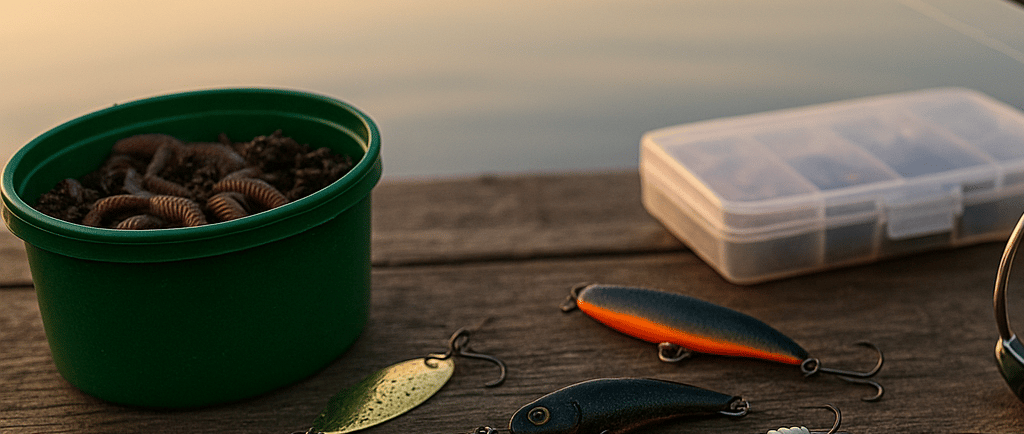
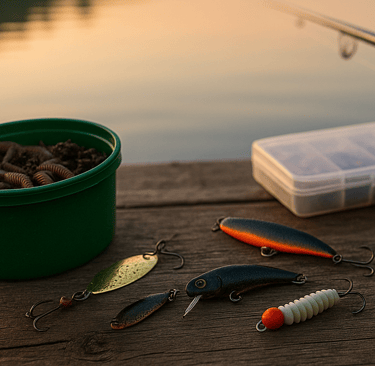
Live Bait vs Artificial Lures: What Should Beginners Use?
One of the very first questions every beginner angler asks is:
“Should I use live bait or artificial lures?”
Walk into any fishing store and you’ll immediately feel overwhelmed. Shelves are filled with colorful lures, shiny spinners, plastic worms, and crankbaits — yet right next to them are simple boxes of worms and minnows that have been catching fish for generations.
So which one is better for beginners?
The short answer is: both work — but not in the same way.
The right choice depends on your experience level, fishing location, target species, and patience.
This guide breaks everything down in simple terms so you can confidently choose what’s best for your fishing trip.
Understanding the Difference
Before comparing, let’s be clear about what we mean.
Live bait
Live bait is exactly what it sounds like — real food that fish naturally eat.
Common examples:
Worms
Minnows
Crickets
Grasshoppers
Corn (technically not live, but treated as natural bait)
Artificial lures
Artificial lures are man-made fishing tools designed to imitate the movement, color, or vibration of food.
Common examples:
Soft plastic worms
Jigs
Spinnerbaits
Crankbaits
Spoons
Why Beginners Often Start With Live Bait
For someone new to fishing, live bait is usually the easiest way to catch a fish quickly.
1. Live bait matches nature
Fish don’t need to be tricked — worms, minnows, and insects are already part of their diet. Even inactive or cautious fish are more likely to bite live bait.
2. No special technique required
With live bait:
Cast
Let it sink or float
Wait
There’s no need to master retrieves, rod movements, or lure actions. This is perfect for beginners still learning basics like casting and knot tying.
3. Best for calm pond and lake fishing
Most beginner-friendly spots (community ponds, small lakes, slow rivers) respond extremely well to live bait.
4. Great for kids and first-timers
Live bait produces faster results, which keeps beginners motivated and excited rather than frustrated.
Downsides of Live Bait
Live bait isn’t perfect. Beginners should also understand the limitations.
It can be messy
Handling worms or minnows isn’t for everyone.
Requires more care
Live bait needs:
Containers
Air (for minnows)
Temperature control
Less active fishing
You spend more time waiting and less time moving, which some anglers find boring.
Smaller fish bites more often
Live bait attracts everything — including tiny fish that steal bait without getting hooked.
Why Artificial Lures Attract So Many Anglers
Artificial lures are popular for a reason — especially once anglers gain confidence.
1. Clean and convenient
No smell, no slime, no live containers. Just tie on and fish.
2. Active fishing style
Lures keep you engaged. You cast, retrieve, adjust speed, and explore water — fishing becomes more dynamic.
3. Longer-lasting
One lure can catch dozens of fish, while live bait must constantly be replaced.
4. Designed for bigger fish
Many lures mimic injured prey and trigger aggressive strikes from larger fish like bass and trout.
Downsides of Artificial Lures for Beginners
This is where many beginners struggle.
Requires technique
Lures only work if they are:
Retrieved at the right speed
Moved naturally
Used in the right depth
Without these skills, beginners may see no bites at all.
Easier to snag
Lures with treble hooks get stuck on rocks, logs, and weeds more easily than live bait rigs.
Fish must be active
When fish aren’t feeding aggressively, lures often fail while live bait still works.
When Live Bait Is the Better Choice
Use live bait if:
You are fishing for the first time
You want guaranteed bites
You are fishing with kids
You’re fishing in stocked ponds or lakes
Fish activity is low
You want a relaxing experience
Best beginner live bait options:
Worms (best overall)
Corn (panfish)
Minnows (multiple species)
Crickets (warm weather)
When Artificial Lures Are the Better Choice
Use artificial lures if:
You are comfortable casting
You want to move and explore water
You are targeting bass or trout
You want cleaner fishing
You enjoy learning techniques
Best beginner lures (very important):
Soft plastic worms
Small jigs
Inline spinners
Paddle-tail plastics
Avoid advanced crankbaits and heavy jerkbaits early on.
The Smart Beginner Strategy (Most Effective)
Here’s the best approach for beginners:
Start with live bait
Use live bait to:
Learn where fish are
Understand bite behavior
Practice hook sets
Build confidence
Slowly add artificial lures
Once you catch fish consistently with live bait:
Switch to a simple lure
Use slow retrieves
Practice near structure
This mixed approach gives beginners faster success while developing skills.
Live Bait vs Artificial Lures: Side-by-Side Comparison
Feature
Live Bait vs.
Artificial Lures
Ease for beginners
✅ Very easy
❌ Learning required
Bite frequency
✅ High
⚠️ Depends on skill
Cleanliness
❌ Messy
✅ Clean
Cost long-term
❌ Ongoing
✅ Reusable
Skill development
⚠️ Slow
✅ Faster
Best for kids
✅ Yes
❌ Not ideal
Best for big fish
⚠️ Mixed
✅ Often better
Common Beginner Mistakes to Avoid
Using only lures on day one
This leads to frustration if fish aren’t active.
Using live bait incorrectly
Too big a hook, too much weight, or poor placement kills success.
Switching too often
Give each bait or lure time — fishing requires patience.
Ignoring local conditions
Water clarity, temperature, and fish species matter more than bait choice.
Final Verdict: What Should Beginners Use?
If there’s one clear takeaway:
Beginners should start with live bait, then add artificial lures gradually.
Live bait builds confidence.
Artificial lures build skill.
Together, they make you a better angler faster.
Fishing doesn’t have to be complicated. The simplest setup often catches the most fish — especially when you’re just starting out.