How to Tie a Fishing Hook (Step-by-Step Guide)
Tying a fishing hook is one of the most essential skills every beginner must learn. No matter how good your rod, reel, or bait is — if your knot is weak, you’ll lose fish. The good news? You don’t need fancy knots or advanced techniques as a beginner. A few simple, strong, and reliable knots will he
BEGINNER GUIDES
Dr Shamim
11/29/20253 min read
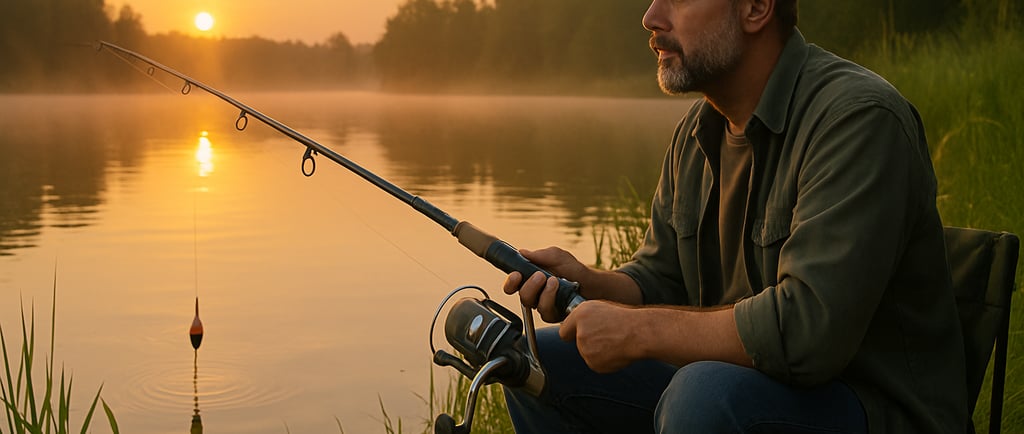
Tying a fishing hook is one of the most essential skills every beginner must learn. No matter how good your rod, reel, or bait is — if your knot is weak, you’ll lose fish.
The good news?
You don’t need fancy knots or advanced techniques as a beginner. A few simple, strong, and reliable knots will help you tie hooks correctly and keep fish securely hooked.
In this guide, you’ll learn easy step-by-step instructions, clear explanations, and practical tips to make sure your knots hold strong every time you cast your line.
🧵 Why Learning to Tie a Hook Properly Matters
A properly tied hook ensures:
Strong connection between hook and line
Better hooksets when fish bite
Less line breakage
More fish caught
Safer handling
A poorly tied knot, on the other hand, is one of the biggest reasons beginners lose fish.
🎣 The 3 Best Knots for Beginners
There are dozens of fishing knots, but beginners only need three:
⭐ 1. Improved Clinch Knot (most popular beginner knot)
⭐ 2. Palomar Knot (very strong, simple, ideal for braided line too)
⭐ 3. Loop Knot (creates freedom of movement for lures)
We will walk you through each knot step by step.
🪝 Before You Start: What You Need
Fishing hook
Monofilament line (recommended for beginners)
Scissors or nail clippers
Good lighting
Optional: practice tying with a thicker string first
🔹 1. How to Tie the Improved Clinch Knot
This is the easiest and most commonly used knot for tying hooks. It works great for:
Panfish
Trout
Bass
Small lures
Sinkers & swivels
✔️ Step-by-Step Instructions
Step 1: Thread the line
Pass 4–6 inches of line through the eye of the hook.
Step 2: Wrap the tag end
Wrap the loose end around the main line 5 to 7 times.
Step 3: Thread through the loop
Take the loose end and pass it through the small loop near the hook eye.
Step 4: Wet the line
Moisten the knot (saliva or water). This reduces friction and prevents line damage.
Step 5: Pull tight
Pull the main line and tag end slowly until the knot tightens.
Step 6: Trim excess
Cut the leftover tag end about ⅛ inch from the knot.
⭐ Why it works
Strong
Easy for beginners
Good for most fishing situations
🔹 2. How to Tie the Palomar Knot
The Palomar Knot is considered one of the strongest knots in fishing and is perfect for:
Hooks
Swivels
Lures
Heavy fish
Braided line
✔️ Step-by-Step Instructions
Step 1: Double your line
Fold about 6 inches of line, making a loop.
Step 2: Pass the loop through the hook eye
Slide the folded loop through the eye of the hook.
Step 3: Tie an overhand knot
With the loop and the main line, tie a simple, loose overhand knot — like the first step of tying your shoes.
Step 4: Slide the hook through the loop
Now take the hook and pass it through the large loop you just made.
Step 5: Wet the knot
Moisten before tightening.
Step 6: Tighten
Pull both ends until the knot locks securely.
⭐ Why it works
Extremely strong
Hook hangs straight
Ideal for beginner mistakes
Great with braided or mono line
🔹 3. How to Tie a Loop Knot
A loop knot allows your hook or lure to move more freely in the water.
Best for:
Artificial lures
Live bait
Bass fishing
Trout fishing
Jigging
✔️ Step-by-Step Instructions
Step 1: Create an overhand loop
Tie a loose overhand knot about 6 inches from the tag end.
Step 2: Pass line through hook eye
Thread the tag end through your hook or lure.
Step 3: Go back through the overhand loop
Take the tag end and slide it back through the overhand knot.
Step 4: Wrap 2–4 times
Wrap the tag end around the main line.
Step 5: Return through loop
Bring the tag end back through the overhand knot loop.
Step 6: Wet and tighten
Moisten and pull tight.
⭐ Why it works
Gives lure natural movement
Ideal for finicky fish like trout
🧪 Common Mistakes Beginners Make (and How to Avoid Them)
❌ Not wetting the knot
Friction weakens the line — always wet before tightening.
❌ Cutting the tag end too short
Leave at least ⅛ inch for safety.
❌ Using too many wraps
5–7 turns are enough.
❌ Tying knots in the dark
Use your phone light or headlamp.
❌ Not checking the knot strength
Pull hard to test it before casting.
❌ Using braid without learning proper knots
Start with monofilament until you’re comfortable.
🔍 How to Test Your Knot (Important!)
After tying:
Grab the hook in one hand
Pull hard on the main line with the other hand
If it slips — re-tie
If it breaks — try fewer wraps and wet the knot more
If it holds — you're good to go
Test every single knot before fishing.
🔧 When to Retie Your Hook
Retie your knot if:
You caught a large fish
Line rubbed against rocks
Knot looks frayed
You switched bait/lures
Hook eye is damaged
You’ve been fishing for more than 1–2 hours
Retie more often than you think — it prevents heartbreak.
🧠 Tips to Learn Faster
Practice at home using rope or thick string
Watch your knot work in bright light
Teach someone else (helps you remember)
Tie knots every time you change spots
Use monofilament for beginners — easier than braid
🎉 Final Thoughts
Tying a fishing hook is one of the FIRST real skills every beginner must master — and once you learn these simple knots, everything about fishing becomes easier.
You’ll catch more fish, lose fewer fish, and feel far more confident no matter where you fish in the USA.
Start with the Improved Clinch Knot, practice the Palomar Knot, and use the Loop Knot when using lures — and you're ready for any fishing situation.
Fishing becomes more enjoyable when your knots are strong.
And with practice… your hands will tie them without even thinking.