How to Rig Worms: the Easy Way
How to Rig Worms Worms are one of the most effective fishing baits ever created—and they’ve been catching fish long before modern lures existed. For beginners, worms are affordable, easy to find, and incredibly versatile. But here’s the part many new anglers don’t realize: 👉 How you rig a worm matters just as much as using a worm at all.
BAIT & TACKLE
Dr Shamim
12/20/20254 min read

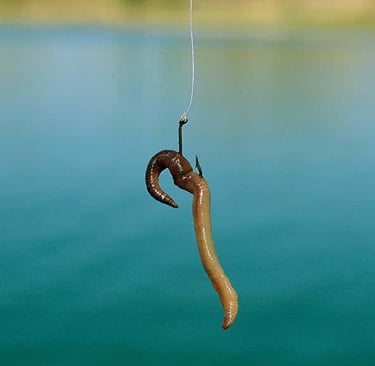
How to Rig Worms the Easy Way
Worms are one of the most effective fishing baits ever created—and they’ve been catching fish long before modern lures existed. For beginners, worms are affordable, easy to find, and incredibly versatile. But here’s the part many new anglers don’t realize:
👉 How you rig a worm matters just as much as using a worm at all.
Poorly rigged worms fall off hooks, look unnatural, or get stolen by fish without getting hooked. Properly rigged worms stay on the hook longer, look natural in the water, and dramatically increase your chances of catching fish.
This guide breaks down the easiest and most effective ways to rig worms, step by step, with no complicated techniques—perfect for beginners fishing ponds, lakes, rivers, and calm coastal areas.
Why Worms Are Perfect for Beginners
Before learning how to rig worms, it’s important to understand why they work so well.
Worms:
Are natural food for many fish
Have strong scent
Move naturally in water
Work for multiple species
Require minimal skill
Are inexpensive
Fish don’t question worms—they eat them.
Types of Worms Commonly Used for Fishing
Not all worms are the same. Beginners usually encounter these types:
Nightcrawlers
Large and thick
Best for bass, catfish, and large panfish
Can be cut into pieces
Red Worms
Smaller and thinner
Ideal for bluegill, sunfish, and perch
Great for kids and beginners
Mealworms
Firm texture
Stay on hook longer
Good for trout and panfish
You don’t need all types—red worms or nightcrawlers are enough to start.
The Golden Rules of Worm Rigging
No matter which method you use, follow these rules:
1. Use small hooks
2. Keep the hook point exposed
3. Don’t bunch the worm into a ball
4. Let part of the worm move freely
5. Match worm size to hook size
Simple mistakes here lead to missed fish.
Best Hook Sizes for Worm Fishing
Beginners often use hooks that are too large.
Recommended hook sizes:
Red worms → Size 8–10
Nightcrawler pieces → Size 6–8
Full nightcrawler → Size 4–6
Smaller hooks catch more fish—even big ones.
1. The Basic Worm Rig (Easiest Method)
This is the best starting point for beginners.
How to rig it:
1. Insert the hook point into the worm’s head
2. Slide the worm up the hook shank
3. Push the hook through once or twice more
4. Leave the hook point exposed
5. Let the tail hang freely
Why it works:
Natural movement
Easy to rig
Works under a bobber or on bottom
Effective for most fish
This method is perfect for ponds and lakes.
2. Half-Worm Rig (Best for Small Fish)
Sometimes a full worm is too big.
How to rig a half worm:
1. Cut the worm in half
2. Thread only one end onto the hook
3. Leave a short tail for movement
Best for:
Bluegill
Sunfish
Perch
Trout
Smaller fish bite more confidently when bait size is reduced.
3. Threaded Worm Rig (Stays on Hook Longer)
This method helps keep worms from slipping off.
How to do it:
1. Push the hook through the worm repeatedly
2. Thread the worm along the hook shank
3. Leave only a small portion hanging
Why beginners like it:
Worm stays on hook longer
Less bait loss
Good for active fish
Use this method when fish are aggressive.
4. Wacky-Style Worm Rig (Simple and Effective)
This method is surprisingly easy and effective.
How to rig:
1. Hook the worm through the middle
2. Leave both ends dangling freely
Why it works:
Both ends wiggle
Looks like injured prey
Fish strike instinctively
This rig works well in calm water.
5. Bobber Worm Rig (Beginner Favorite)
This is one of the most beginner-friendly setups.
How to set it up:
1. Tie a small hook
2. Add a split shot weight 6–10 inches above hook
3. Attach a bobber 1–3 feet above hook
4. Rig worm using basic method
Why it’s perfect for beginners:
Easy bite detection
Fewer snags
Works in shallow water
This rig catches panfish and bass consistently.
6. Bottom Worm Rig (For Catfish and Carp)
When fish feed near the bottom, this rig shines.
Setup:
1. Add a sinker above the hook
2. Let the worm sit on bottom
3. Use larger worm pieces if needed
Best for:
Catfish
Carp
Drum
Patience is key—let the bait sit.
Where to Fish Worms for Best Results
Worms work best near:
Shorelines
Weed edges
Docks
Rocks
Fallen logs
Shaded areas
Avoid featureless open water.
How to Tell If Fish Are Stealing Your Worm
Signs include:
Bobber bouncing but not sinking
Missing worm
Small taps with no hookup
Fix:
Use smaller hooks
Shorten worm length
Set hook sooner
Common Beginner Mistakes When Rigging Worms
Avoid these mistakes:
❌ Covering the hook point
❌ Using hooks that are too big
❌ Packing worm too tightly
❌ Changing rigs too often
❌ Fishing too fast
Correcting these leads to instant improvement.
Do You Need Weights With Worms?
Sometimes yes, sometimes no.
Use weights when:
Fishing deeper water
Wind is strong
Fish are near bottom
Skip weights when:
Fishing shallow ponds
Using a bobber
Fishing calm water
Light weights work best for beginners.
Freshwater vs Saltwater Worm Rigging
Worms work mostly in freshwater but can be used in calm saltwater areas.
Saltwater tips:
Use corrosion-resistant hooks
Slightly larger hook sizes
Fish near sandbars and calm surf
Keeping Worms Alive and Fresh
Fresh worms catch more fish.
Beginner storage tips:
Keep worms cool
Avoid direct sunlight
Store in breathable containers
Don’t let them dry out
Why Worm Rigging Builds Fishing Confidence
Learning to rig worms teaches:
Hook placement
Bait presentation
Fish behavior
Patience
It’s one of the best skills a beginner can master.
Final Thoughts
Worms are simple—but when rigged correctly, they are deadly effective. You don’t need advanced gear or fancy rigs. A small hook, a properly rigged worm, and a little patience are enough to catch fish almost anywhere.
Master these easy worm-rigging techniques, and you’ll catch more fish with less effort—every time.