Best Fishing Rod
Best Fishing Rod Choosing your first fishing rod is one of the most important decisions you’ll make as a new angler. Yet for many beginners, this is also the most confusing part of fishing. Walk into a store or browse online, and suddenly you’re faced with dozens of rods that look similar but are labeled with unfamiliar terms—length, power, action, material, one-piece, two-piece. It’s easy to feel overwhelmed and assume that buying something expensive will solve the problem.
GEAR GUIDES
Dr Shamim
12/24/20255 min read
Best Fishing Rods for Beginners
Choosing your first fishing rod is one of the most important decisions you’ll make as a new angler. Yet for many beginners, this is also the most confusing part of fishing. Walk into a store or browse online, and suddenly you’re faced with dozens of rods that look similar but are labeled with unfamiliar terms—length, power, action, material, one-piece, two-piece. It’s easy to feel overwhelmed and assume that buying something expensive will solve the problem.
In reality, fishing rods don’t need to be complicated.
What beginners need is a rod that is easy to control, forgiving of mistakes, and versatile enough to work in many situations. This guide explains exactly what makes a fishing rod beginner-friendly, how to choose the right one without wasting money, and how the right rod can dramatically improve your early fishing experience.
Why the Right Fishing Rod Matters for Beginners
When you’re just starting out, everything in fishing is new—casting, tying knots, feeling bites, setting the hook, and fighting fish. A poorly chosen rod makes all of this harder. A rod that is too stiff won’t bend when a fish bites. A rod that’s too long becomes awkward to cast. A rod that’s too heavy causes fatigue and frustration.
The right beginner rod does the opposite. It helps you cast smoothly, absorb sudden movements from fish, and stay comfortable even during long fishing sessions. Most importantly, it builds confidence. When the rod works with you instead of against you, learning becomes enjoyable rather than stressful.
Understanding Fishing Rod Basics (Without the Confusion)
Before choosing a rod, beginners only need to understand four basic concepts. You don’t need expert-level knowledge—just clarity.
A fishing rod is defined by:
The type of rod
The length of the rod
The power (how stiff it is)
The action (where it bends)
Once you understand these, the decision becomes simple.
The Best Rod Type for Beginners
For beginners, one rod type clearly stands above the rest: the spinning rod.
Spinning rods are widely recommended because they are intuitive and forgiving. They are easy to cast, easy to control, and work well with light baits—exactly what beginners use most often. Unlike baitcasting rods, which require thumb control and practice, spinning rods allow beginners to focus on learning the basics without constantly dealing with tangles.
Spinning rods are ideal for fishing:
Ponds and lakes
Rivers and streams
Shorelines
Fishing piers
Calm coastal waters
Many beginners find that a simple spinning rod paired with a lightweight spinning reel feels balanced and comfortable in hand, making long fishing sessions far more enjoyable. A setup like this is often the easiest way to start fishing without frustration.
Choosing the Right Rod Length
Rod length affects how far you can cast and how much control you have over the line. Beginners often assume longer rods are better, but that’s not always true.
For most beginners, the sweet spot is between 6 and 7 feet. Rods in this range provide enough length to cast a reasonable distance while still being easy to manage. They work well whether you’re fishing from the bank, a dock, or a pier.
Shorter rods offer accuracy but limit casting distance, while longer rods can feel awkward and heavy. A rod around 6 feet 6 inches strikes the perfect balance for most beginner anglers and works across many fishing environments.
Rod Power: How Strong Should a Beginner Rod Be?
Rod power describes how much force it takes to bend the rod. This is one of the most misunderstood aspects of fishing rods.
Beginners should look for rods labeled medium or medium-light power. These rods bend enough to absorb sudden movements from fish, reducing the chance of breaking the line, but are still strong enough to handle a wide range of species.
Medium and medium-light rods are excellent for catching:
Bluegill and sunfish
Perch and crappie
Trout
Bass
Small catfish
Many beginners appreciate that rods in this power range feel responsive without being stiff, allowing them to feel bites while still maintaining control.
Rod Action: Where the Rod Bends
Rod action refers to where the rod flexes when pressure is applied. For beginners, this matters because it affects how easily you set the hook and how forgiving the rod feels.
Rods with moderate or fast action are best for beginners. A moderate action rod bends through a larger portion of the blank, which helps absorb shock when a fish strikes. Fast action rods bend mostly near the tip, offering better sensitivity and quicker hooksets.
Extra-fast rods, while popular with experienced anglers, are often too unforgiving for beginners and can lead to lost fish.
The Ideal Beginner Rod Setup (Simple Answer)
If you want one clear recommendation without overthinking:
A spinning rod, around 6–7 feet long, with medium power and moderate-fast action is ideal for beginners.
This setup allows you to fish comfortably in most freshwater environments and even handle light saltwater fishing. Many beginners choose rods like this because they are versatile, affordable, and easy to grow with as skills improve.
Many new anglers also prefer starter rods that feel lightweight and balanced, especially when paired with a simple spinning reel designed for beginner use.
Rod Materials: What Beginners Should Know
Fishing rods are commonly made from graphite, fiberglass, or a combination of both.
Graphite rods are lightweight and sensitive, making them popular among beginners who want to feel bites more clearly. Fiberglass rods are heavier but extremely durable, which makes them a good option for kids or anglers who want something tough and forgiving.
Composite rods, which combine graphite and fiberglass, are often the best choice for beginners. They offer a balance of sensitivity and durability without a high price tag.
One-Piece vs Two-Piece Rods
Beginners often worry that two-piece rods are inferior, but this isn’t true.
Two-piece rods are easier to transport, store, and travel with, making them very practical for beginners. While one-piece rods offer slightly better sensitivity, the difference is minor for new anglers.
For most beginners, a two-piece spinning rod is the more convenient and stress-free option.
Freshwater and Saltwater Considerations
Many beginners fish in both freshwater and saltwater environments. Fortunately, you don’t need separate rods right away.
A rod labeled for both freshwater and saltwater use can handle occasional coastal fishing as long as it’s rinsed after use. This flexibility allows beginners to explore different fishing spots without buying extra gear.
Common Mistakes Beginners Make When Choosing a Rod
Many beginners accidentally slow their progress by choosing the wrong rod. Common mistakes include buying rods that are too stiff, too long, or designed for advanced techniques. Others overspend on premium rods before developing basic skills.
Fishing success depends far more on location, bait, and technique than on expensive equipment. Starting with a simple, well-balanced rod is almost always the smarter choice.
Caring for Your First Fishing Rod
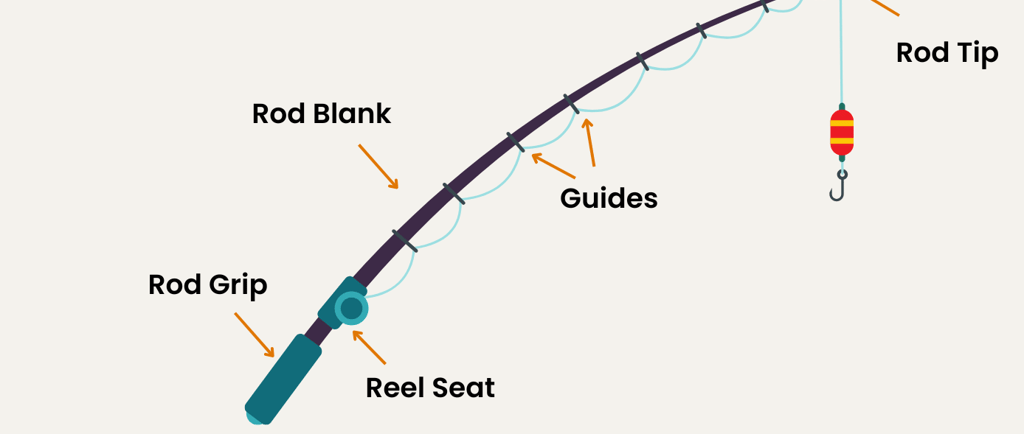
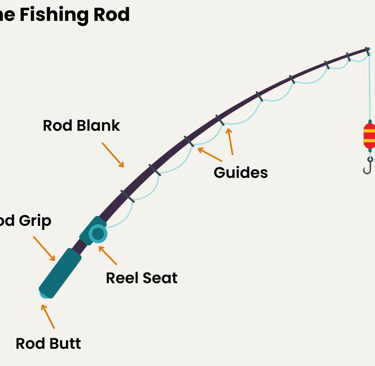
Proper care helps your rod last longer and perform better. Rinsing it after saltwater use, storing it straight, and checking the guides for damage are simple habits that protect your investment.
A well-maintained beginner rod can last for years and remain useful even as your skills improve.
Amazon Affiliate Integration (Natural Placement)
Many beginners choose to start with a simple spinning rod that comes as part of a beginner-friendly setup because it removes guesswork and ensures compatibility.
A lightweight spinning rod designed for medium power fishing is often easier to handle and more comfortable for longer sessions, especially for new anglers.
Beginners also find that pairing their rod with a balanced spinning reel designed for entry-level use makes casting smoother and reduces tangles: https://amzn.to/3MKpyT0
Final Thoughts
Choosing the best fishing rod as a beginner doesn’t require expert knowledge or a big budget. It requires understanding what makes a rod easy to use, forgiving, and versatile. A simple spinning rod with the right length, power, and action will help you learn faster, catch more fish, and enjoy fishing from the very beginning.
As your skills grow, your gear can evolve—but the fundamentals will always matter. Start simple, stay comfortable, and let experience guide your next steps.