Best Fishing Line for Beginners: Mono vs. Fluoro vs. Braid
Mono vs. Fluoro vs. Braid Most beginners don’t realize how important fishing line really is. The rod and reel get all the attention, but without the right line, you’ll struggle with knots breaking, fish escaping, tangles, and missed bites.
BEGINNER GUIDES
Dr Shamim
12/4/20253 min read
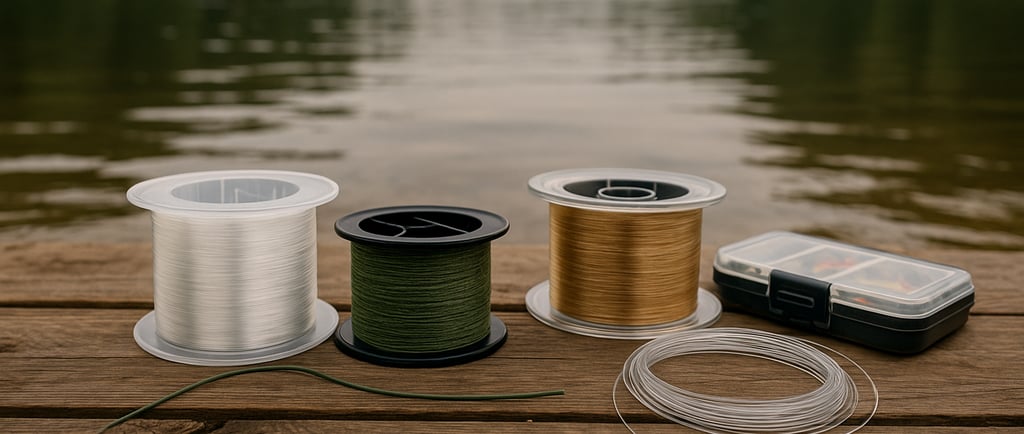
Best Fishing Line for Beginners: Mono vs. Fluoro vs. Braid
Most beginners don’t realize how important fishing line really is. The rod and reel get all the attention, but without the right line, you’ll struggle with knots breaking, fish escaping, tangles, and missed bites.
The truth is simple:
Your fishing line is the direct connection between you and the fish.
Choosing the right one makes fishing easier, stronger, and much more successful.
There are three main types of fishing line every beginner should know:
Monofilament (Mono)
Fluorocarbon (Fluoro)
Braided line (Braid)
Each behaves differently in the water, and each has strengths and weaknesses. This guide breaks them down in simple terms so you can choose the perfect line for your fishing style.
🧵 1. What Makes Fishing Line Important?
Beginners often underestimate line, but it affects:
✔️ Casting distance
✔️ Knot strength
✔️ Visibility underwater
✔️ Sensitivity (feeling bites)
✔️ How natural your bait looks
✔️ Whether a fish breaks off or not
Using the wrong line can make fishing harder, no matter how good your rod or reel is. Using the right one instantly improves your success.
🎣 2. Monofilament Line (Best Overall for Beginners)
Monofilament — or mono — is the classic fishing line used by most beginners.
⭐ Why mono is best for beginners:
Very easy to tie knots
Stretchy → forgiving for mistakes
Floats slightly → good for bobber fishing
Affordable
Works for almost all species
Beginner-friendly handling
Easy to spool onto a reel
Mono gives you room for error, which helps new anglers tremendously.
✔️ Best mono line strength:
6–8 lb for panfish, trout, small bass
10–12 lb for bigger bass and small catfish
When monofilament is perfect:
Bobber fishing
Worm fishing
Live bait
Lightweight lures
Fishing in ponds and lakes
When mono is not ideal:
Heavy cover (weeds, rocks)
Deep clear water (visible to fish)
Mono should be your default line until you gain more experience.
🫥 3. Fluorocarbon Line (Invisible but Harder for Beginners)
Fluorocarbon — known as fluoro — is popular because it's nearly invisible underwater.
⭐ Why anglers love fluorocarbon:
Fish can barely see it
Great for clear water
Sinks quickly → good for bottom fishing
More sensitive than mono
But…
❌ Why beginners struggle with fluoro:
Harder to tie strong knots
Stiffer than mono
More expensive
Breaks easier if knots are tied poorly
Most beginners should avoid using full fluorocarbon spools.
Instead, use fluoro as a leader attached to mono or braid.
When fluorocarbon is perfect:
Clear lakes
Trout fishing
Bass fishing with lures
When fish are picky
🧵 4. Braided Line (Super Strong but Advanced)
Braid is very strong and thin for its size. Many advanced anglers use braid, but beginners often find it tricky.
⭐ Why braid is good:
Extremely strong
Zero stretch → amazing sensitivity
Great for heavy weeds
Lasts a very long time
❌ Problems for beginners:
Hard to tie (knots slip easily)
Highly visible underwater
Cuts fingers if mishandled
Expensive
Backlashes easily (tangles)
Beginners should not start with braid unless fishing heavy vegetation or big catfish.
When braid works best:
Thick weeds
Deepwater fishing
Big fish
Saltwater
🎯 5. The Perfect Beginner Setup: Mono + Fluoro Leader
For beginners using spinning reels, the best overall setup is:
⭐ Main Line: Monofilament
⭐ Leader: Fluorocarbon (12–18 inches)
This gives you:
Easy knot tying
Strength and stretch
Invisible presentation for the fish
Cheaper than full fluoro
Perfect for bait or lures
This is the ideal balance of simplicity and effectiveness.
📌 6. How to Choose Line Strength
Choosing the right pound-test matters:
🐟 For Bluegill, Perch, Crappie
4–6 lb mono
🐠 For Trout
6 lb mono or fluoro leader
🎣 For Bass
8–12 lb mono or braid with fluoro leader
🐟 For Catfish
12–20 lb mono or braid
🐡 For Saltwater
20–30 lb braid with fluoro leader
Beginners fishing ponds and lakes should stick with:
👉 6–8 lb monofilament
🔒 7. Knot Strength Differences
Not all lines tie knots the same.
Mono:
Easiest knots
Very forgiving
Perfect for learning
Fluoro:
Slips more easily
Must be tightened slowly
Needs more precise knots
Braid:
Knots can slip
Requires special knots like Palomar or Uni-to-Uni
Hard for beginners
Mono wins easily for new anglers.
🧠 8. Common Beginner Mistakes with Fishing Line
❌ Buying cheap unknown brands
They break easily — avoid dollar-store line.
❌ Using line too heavy
Beginners think “stronger = better,” but heavy line reduces bites.
❌ Not replacing old line
Mono weakens with sunlight and water exposure.
❌ Overfilling the spool
Causes tangles and knots.
❌ Mixing line types incorrectly
Some combinations cause knots to slip or twist.
🎒 9. How Often Should You Replace Line?
Monofilament:
Every 2–6 months (depending on use)
Fluorocarbon:
Every 6–12 months
Braided line:
Can last several years
(but check for fraying)
Beginners often forget to change line — but fresh line prevents breakage and increases catches instantly.
🎣 10. So… Which Line Should You Choose?
For beginners, the answer is simple:
⭐ Use monofilament line.
It is:
Beginner-friendly
Affordable
Easy to tie
Suitable for all freshwater species
Perfect for ponds, lakes, rivers, and piers
Use a fluorocarbon leader only if water is very clear.
Avoid braid until you gain more experience.
🧭 Final Thoughts
Fishing line may look simple, but it controls everything — casting, sensitivity, stealth, knot strength, and ultimately whether or not you land the fish.
By choosing the right line, you make fishing easier, more enjoyable, and far more productive.
Start with monofilament.
Add a short fluoro leader if needed.
Leave braid for later.
Follow this guide, and your fishing line will become a strength, not a source of frustration.