Basic Fishing Techniques for Beginners: Simple Methods to Start Catching Fish
Learning the right fishing techniques is one of the biggest keys to success for every beginner. You can buy the best rod, reel, and tackle — but if you don’t know how to present your bait, where to cast, or how to reel in a fish properly, you’ll struggle. Basic Fishing Techniques Fishing techniques
BEGINNER GUIDES
Dr Shamim
12/3/20254 min read
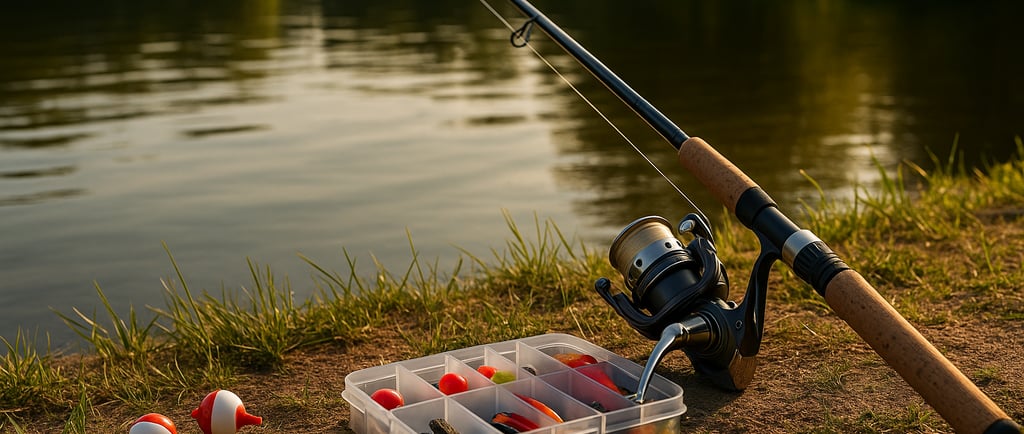
Learning the right fishing techniques is one of the biggest keys to success for every beginner. You can buy the best rod, reel, and tackle — but if you don’t know how to present your bait, where to cast, or how to reel in a fish properly, you’ll struggle.
Fishing techniques don’t need to be complicated. With just a few simple methods, you can start catching fish confidently in lakes, ponds, rivers, and piers across the USA.
This guide breaks down the core fishing techniques every beginner must know, step-by-step, without overwhelming you with advanced tactics.
🐟 1. The Bobber (Float) Fishing Technique
This is the easiest and most beginner-friendly technique.
✔️ How it works
A bobber keeps your bait off the bottom and helps you see when a fish bites.
✔️ Best for catching:
Bluegill
Crappie
Bass (small & medium)
Trout
Perch
✔️ How to use it:
1. Attach a bobber 1–3 feet above your hook.
2. Add a small split shot weight 6–10 inches above the hook.
3. Hook a worm or live bait.
4. Cast gently.
5. Watch the bobber.
⭐ When the bobber:
Dips under → set the hook
Moves sideways → fish is swimming with bait
Shakes → fish is nibbling
Bobber fishing is perfect for children and first-time anglers because it’s visual, simple, and very effective.
🪝 2. Bottom Fishing Technique
Many species feed at the bottom, and beginners can catch a lot by simply placing bait where the fish already are.
✔️ Best for:
Catfish
Carp
Bass
Bullhead
Larger panfish
✔️ How to set it up:
1. Attach a heavier sinker (¼ oz–1 oz depending on depth/currents).
2. Tie your hook 10–12 inches below the weight.
3. Cast and let the sinker hit bottom.
4. Keep the line tight and watch for taps or steady pulls.
✔️ Tips for beginners:
Don’t drag your weight constantly.
Keep your rod steady in a holder or your hand.
Use bait with scent: worms, stink bait, chicken liver, shrimp.
Bottom fishing is simple, relaxing, and perfect for lakes, rivers, and ponds.
🎣 3. Slow Retrieve Technique
This method works when using artificial lures.
✔️ Best lures for beginners:
Soft plastic worms
Grubs
Small jigs
Inline spinners
Beetle spins
✔️ How to do it:
1. Cast your lure out.
2. Let it sink for 2–3 seconds.
3. Slowly reel it in.
4. Add small pauses and twitches.
Why it works:
Fish often strike right after a pause — because the lure looks like an injured baitfish.
Slow + steady + small movements = more bites.
🧵 4. The Lift-and-Drop Technique
This technique gives your lure natural movement underwater.
✔️ How to do it:
1. Cast your lure.
2. Let it sink to the bottom.
3. Lift your rod tip upward slowly.
4. Drop the rod back while reeling in the slack.
5. Repeat.
✔️ What it imitates:
A dying or injured baitfish — irresistible to bass, trout, perch, and crappie.
If you want to feel more bites, this technique is golden.
🐠 5. Dragging or Drifting Technique
Perfect for windy days or slow-moving rivers.
✔️ How it works:
The wind or current moves your bait naturally without you doing anything.
✔️ Steps:
1. Cast out.
2. Leave the bail open slightly or keep a finger on the line.
3. Let your bait drift naturally.
4. Close the bail when you feel tension.
Great for covering large areas without much effort.
🔄 6. The Tapping Technique
Some fish nibble lightly. Beginners often miss those bites.
✔️ How to do it:
Hold the rod lightly.
Keep the line semi-tight.
When you feel a light tap tap, gently lift the rod.
If the tapping becomes steady, set the hook.
Perfect for panfish and trout.
⚓ 7. Still Fishing Technique (Best for Relaxation)
One of the simplest ways to fish.
✔️ How to do it:
1. Cast your bait.
2. Set the rod down or hold it steady.
3. Let the bait sit in one spot.
4. Watch for rod tip movement or line tension.
This is ideal for beginners who want to enjoy nature without constantly reeling or casting.
🐡 8. Jigging Technique (Simple Vertical Movement)
Jigging means moving the lure up and down.
✔️ Best places to use it:
Piers
Deep lakes
Docks
Boats
✔️ How to jig:
1. Drop the lure straight down.
2. Lift your rod slightly.
3. Let it fall back naturally.
4. Repeat slowly.
The up-down motion looks like a small fish fleeing — very effective for crappie and bass.
🎯 9. Reading Water — A Skill Beginners Must Learn
Technique is important, but location matters more.
Fish prefer:
Shade
Cover (weeds, rocks, logs)
Drop-offs
Calm edges of lakes
Moving water in rivers
Never cast randomly.
Look for structure and cast close to it — but not directly into it.
🕰️ 10. Timing Matters (Increase Bite Chances)
Best times to use any technique:
🌅 Early Morning
Cool, quiet, fish are feeding.
🌇 Late Afternoon
Shadows grow, fish rise again.
🌤️ Cloudy Days
Fish stay active longer.
Avoid bright midday sun — fish hide deeper then.
🧠 11. How to Set the Hook Properly
Many beginners lose fish because they don’t set the hook the right way.
✔️ Do this:
Keep slight tension on the line.
When you feel resistance or see a bobber dip → snap your wrist upward gently.
✔️ Don’t:
Yank too hard.
Pull too slowly.
Have loose slack.
A sharp, controlled lift is all you need.
🔧 12. Combine Techniques for Best Results
Here are perfect combos:
✔️ Bobber + Worm + Slow Retrieve
Deadly for bluegill.
✔️ Jigging + Soft Plastic
Best for crappie.
✔️ Bottom Fishing + Scented Bait
Perfect for catfish.
✔️ Lift-and-Drop + Spinner
Great for bass.
You don’t need to master everything — combine two simple techniques and you’ll catch fish consistently.
⭐ Final Thoughts
Fishing techniques don’t need to be advanced or complicated.
When you master just a handful of beginner-friendly methods — bobber fishing, bottom fishing, slow retrieve, lift-and-drop, and simple jigging — you unlock a whole new level of success.
With the right technique, even cheap gear can catch big fish.
And with practice, patience, and the right knowledge… fishing becomes a lifelong joy.