10 Simple Fishing Lures Every Beginner Should Own
10 Simple Fishing Lures Every Beginner Should Own: Walking into a fishing store for the first time can feel overwhelming. Shelves are packed with hundreds of lures—different shapes, colors, sizes, and names that mean nothing to a beginner. The truth is, you don’t need dozens of lures to catch fish. In fact, most beginners catch more fish using just a small selection of simple, proven lures.
BAIT & TACKLE
Dr Shamim
12/8/20253 min read
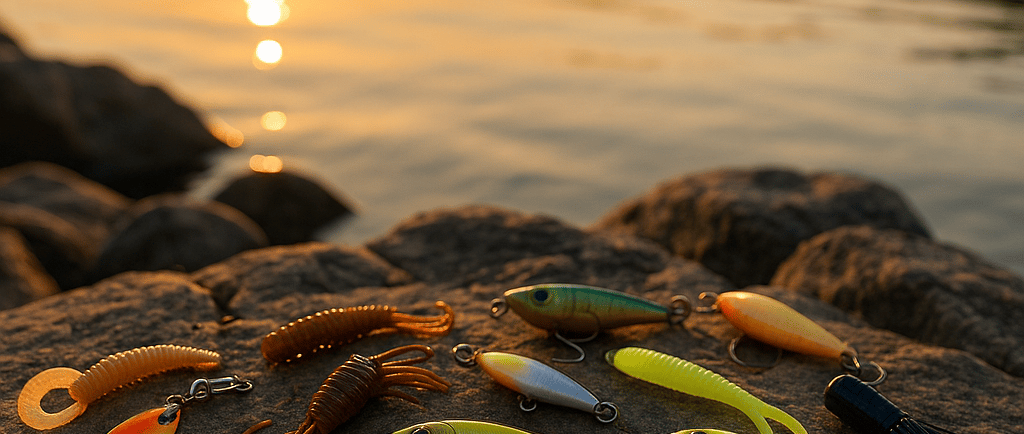
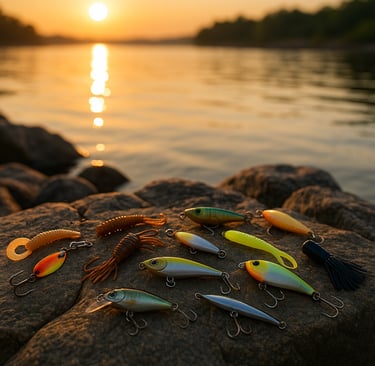
10 Simple Fishing Lures Every Beginner Should Own
Walking into a fishing store for the first time can feel overwhelming. Shelves are packed with hundreds of lures—different shapes, colors, sizes, and names that mean nothing to a beginner. The truth is, you don’t need dozens of lures to catch fish. In fact, most beginners catch more fish using just a small selection of simple, proven lures.
This guide breaks everything down clearly and practically. You’ll learn exactly which 10 fishing lures every beginner should own, why they work, what fish they catch, and how to use them without confusion.
If you want fewer snags, fewer wasted dollars, and more fish on your line—this guide is for you.
✅ Why Lures Matter for Beginners
Artificial lures help beginners because they:
Let you fish without live bait
Work in many locations
Teach movement and technique
Reduce mess
Improve skill faster
However, the wrong lures cause frustration. That’s why starting with the right beginner lures is essential.
🎯 What Makes a Lure Beginner-Friendly?
A good beginner lure should be:
Easy to cast
Simple to retrieve
Versatile (works for many fish)
Effective without advanced technique
Affordable and durable
Every lure below meets all those criteria.
🧰 The 10 Essential Fishing Lures for Beginners
1. Soft Plastic Worms
Best for: Bass, panfish, perch
Where to use: Lakes, ponds, slow rivers
Soft plastic worms are one of the most effective fishing lures ever made. They look natural, move well in water, and catch fish even when nothing else works.
How beginners should use them:
Rig on a small hook or jig head
Let it sink
Slowly reel or gently twitch
Why they’re perfect for beginners:
Extremely forgiving
Cheap and easy to replace
Fish don’t need aggressive action to bite
2. Jig Heads with Soft Grubs
Best for: Crappie, bass, bluegill
Where to use: Lakes, docks, pond edges
Jig heads paired with soft grubs are deadly simple. Drop them in the water, and fish instinctively bite.
Beginner technique:
Cast out
Let sink
Slowly reel while lifting rod slightly
Tip: Use smaller sizes (1/16–1/8 oz).
3. Inline Spinners
Best for: Trout, bass, panfish
Where to use: Rivers, streams, lakes
Inline spinners create natural vibration and flash that fish love.
Why beginners love them:
Easy cast-and-retrieve
No fancy technique
Works in moving or still water
Beginner advice: Start reeling immediately after the lure hits water.
4. Spinnerbaits
Best for: Bass, pike
Where to use: Weedy or murky water
Spinnerbaits look complex but are beginner-friendly.
Why they work:
Flash attracts fish
Wire frame avoids snags
Great in dirty water
How to use:
Cast near cover
Steady retrieve
Keep rod tip slightly up
5. Spoon Lures
Best for: Trout, bass, panfish
Where to use: Deep or shallow water
Spoons wobble side-to-side, mimicking injured fish.
Beginner tip:
Use lighter spoons
Let sink slightly before reeling
Don’t reel too fast
Spoons are excellent when fish are feeding aggressively.
6. Crankbaits (Shallow Diving)
Best for: Bass, perch
Where to use: Near shore, shallow lakes
Crankbaits imitate small fish.
Beginner choice:
Shallow-diving models
Natural colors (silver, brown)
How beginners should use them:
Cast
Steady retrieve
Stop briefly every few seconds
7. Popper Lures (Topwater)
Best for: Bass, aggressive surface feeders
Where to use: Calm water mornings/evenings
Poppers float and make splashes that fish instinctively attack.
Beginner benefit:
Visual excitement
Easy learning curve
Use when:
Water is calm
Light is low (early or late day)
8. Floating Minnow Lures
Best for: Trout, bass
Where to use: Streams, lakes
These lures look incredibly realistic.
Beginner tip:
Slow retrieve
Occasional pauses
Let lure do the work
They are perfect when fish are cautious or pressured.
9. Tube Lures
Best for: Bass, panfish
Where to use: Rocks, docks
Tube lures look simple but imitate crawfish and baitfish.
How to use:
Jig up and down
Let sink naturally
Great for learning finesse techniques.
10. Simple Soft Plastic Creature Baits
Best for: Bass
Where to use: Structure-heavy areas
Creature baits imitate bugs, crawfish, and small animals.
Beginner setup:
Small hook
Light weight
Slow retrieve
They work especially well when fish ignore traditional lures.
🪝 How Many Lures Should a Beginner Carry?
Less is more.
Ideal beginner lure count:
2 soft plastic packs
2 jig heads
1 spinner
1 spoon
1 crankbait
1 topwater
That’s it.
Too many choices cause confusion.
🚫 Common Beginner Lure Mistakes
Buying too many fancy lures
Choosing oversized lures
Using fast retrieves
Ignoring simple colors
Not matching lure size to fish
Simple lures + patience = success.
🎣 Lure Colors Beginners Should Start With
Stick to:
Natural silver
Brown
Green
White
Chartreuse (in murky water)
Bright colors are useful, but natural tones work everywhere.
✅ Final Thoughts
You don’t need complicated gear or expensive tackle to catch fish. These 10 simple fishing lures cover nearly every beginner fishing situation in the USA. Start small, fish slow, and let the lure do what it was designed to do.
Learning lures is a skill—but with the right selection, it becomes enjoyable instead of confusing.